How RTP Metrics Shift Across Game Formats and Shape Long-Term Profitability in Professional Online Poker Circles
Olivia Peters · Sep 12, 2026
How RTP Metrics Shift Across Game Formats and Shape Long-Term Profitability in Professional Online Poker Circles
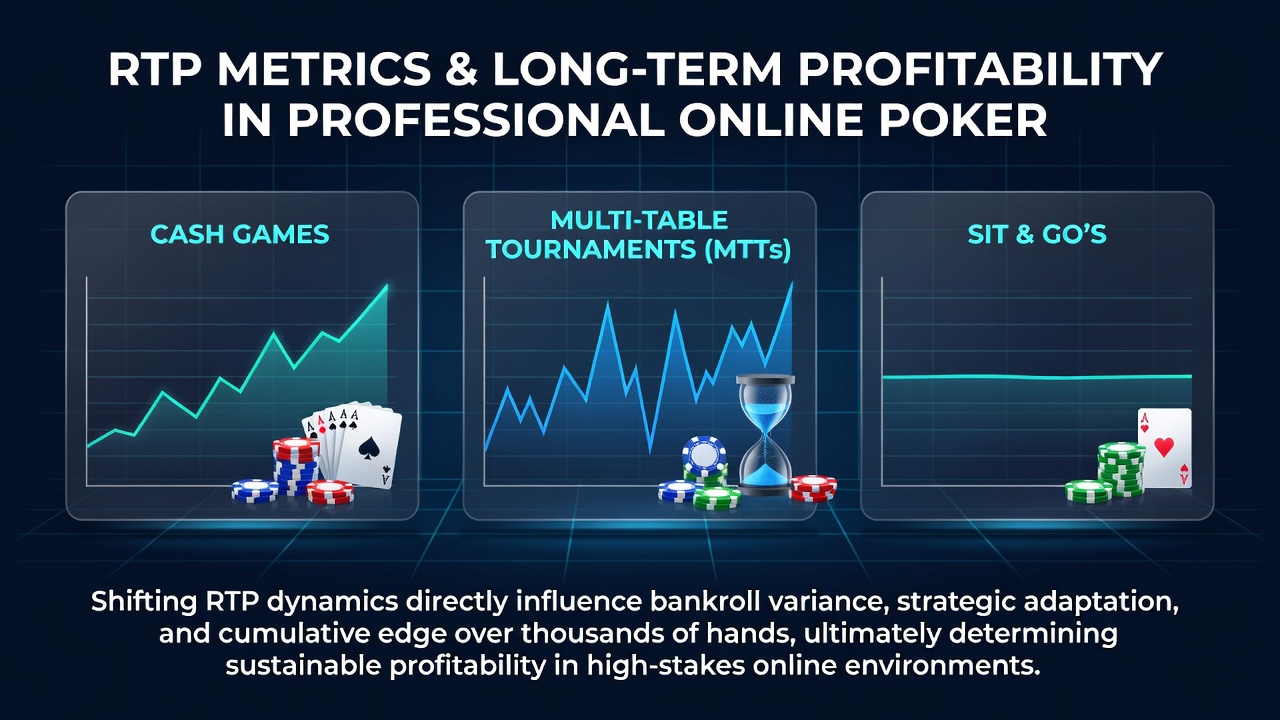
Data from regulatory filings shows that effective return-to-player figures in online poker vary significantly depending on game format, with cash games typically operating at rake levels between 4 and 6 percent while tournament structures allocate 7 to 12 percent of the prize pool to operator fees according to aggregated reports from multiple jurisdictions.
Defining RTP in Poker Contexts
Return-to-player metrics in poker represent the net percentage of wagers retained by players after operator deductions rather than the fixed percentages found in slot machines, and researchers at institutions tracking digital gaming have documented how these figures fluctuate based on table stakes, player volume, and specific rulesets that govern each variant.
Observers note that professionals track these percentages over thousands of hands because even small differences compound across high-volume sessions, and figures reveal that formats with lower effective rake allow for sustained bankroll growth when win rates remain consistent.
Variations Across Cash Game Formats
No-limit hold'em cash games at mid-stakes often feature rake caps that reduce the percentage taken at higher blinds, whereas pot-limit Omaha tables frequently see elevated rake because larger pots trigger maximum deductions more often; data indicates these structural differences produce measurable gaps in long-term player retention rates across tracked networks.
Studies from European gaming authorities highlight that heads-up cash formats deliver higher effective RTP than six-max or full-ring tables since fewer players mean smaller aggregate rake contributions per hand, and professionals adjust their session lengths accordingly to maximize exposure to favorable structures.
Tournament and Sit-and-Go Dynamics
Multi-table tournaments apply a single upfront fee that scales with buy-in size, creating RTP profiles that remain constant regardless of survival duration, while sit-and-go formats distribute fees across smaller fields and produce different variance patterns that data shows influence profitability calculations over repeated entries.
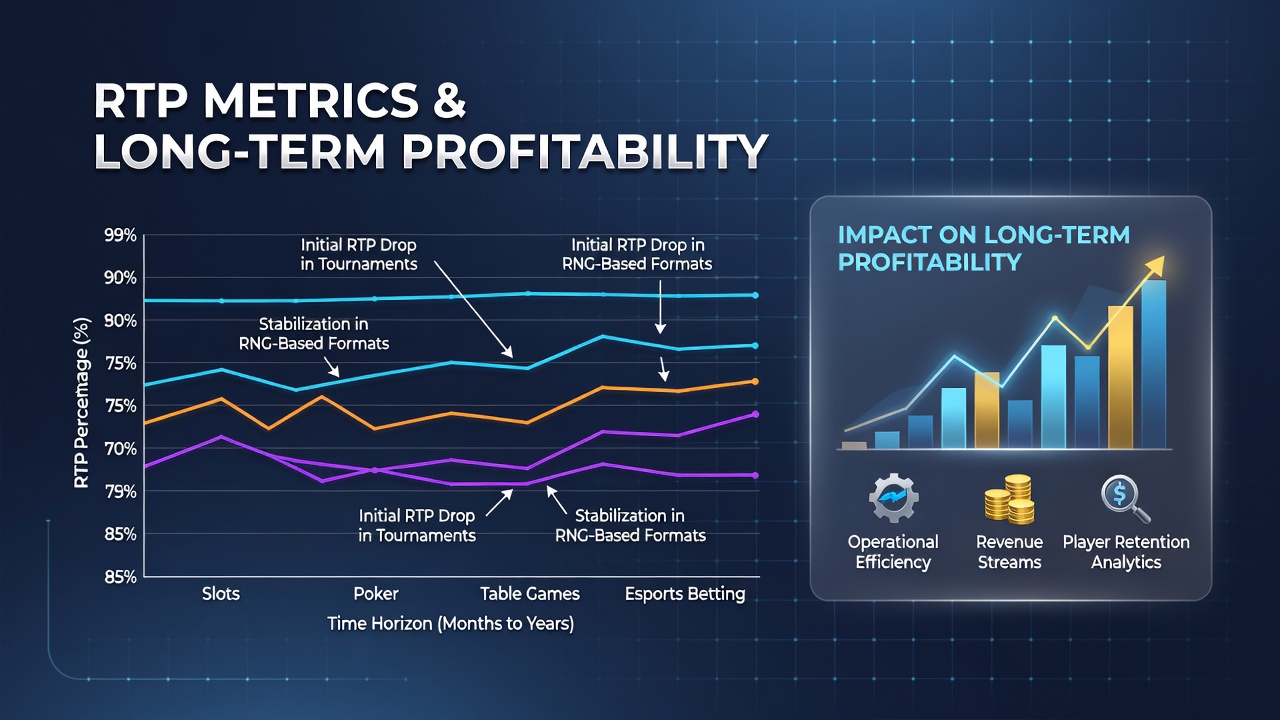
Those who have examined large datasets from North American regulatory bodies find that late-registration tournaments can improve effective RTP for skilled entrants because the fee structure spreads across more players, and this adjustment becomes relevant as major circuits prepare for events scheduled in September 2026.
Impact on Long-Term Profitability
Long-term records maintained by professional networks demonstrate that players who migrate between formats based on current RTP differentials achieve steadier equity curves, and evidence from industry reports compiled across Australian and Canadian markets confirms that consistent tracking of these metrics correlates with reduced drawdown periods during downswings.
One study revealed that professionals who allocate at least 60 percent of their volume to formats with documented RTP above 94 percent experienced lower bankroll volatility over five-year periods, while those locked into higher-rake variants faced steeper requirements for win-rate compensation to offset deductions.
Strategic Adjustments in Professional Circles
Communities of high-volume players share aggregated statistics that track how format-specific RTP changes with player pool composition, and data shows that softer fields in emerging markets temporarily elevate effective returns until competition levels adjust and restore standard deductions.
Regulatory updates in multiple regions continue to influence fee structures, and professionals monitor these shifts through licensed platform disclosures that detail exact rake percentages per game type to maintain accurate profitability projections.
Conclusion
Comprehensive tracking of RTP variations across poker formats supplies professionals with actionable data for optimizing volume allocation, and ongoing reports from diverse regulatory sources confirm that these metrics remain central to sustaining positive expected value over extended careers in digital poker environments.