How Multi-Table Tournament Scheduling Algorithms Affect Prize Pool Distribution in Online Poker Ecosystems
Olivia Peters · Nov 21, 2026
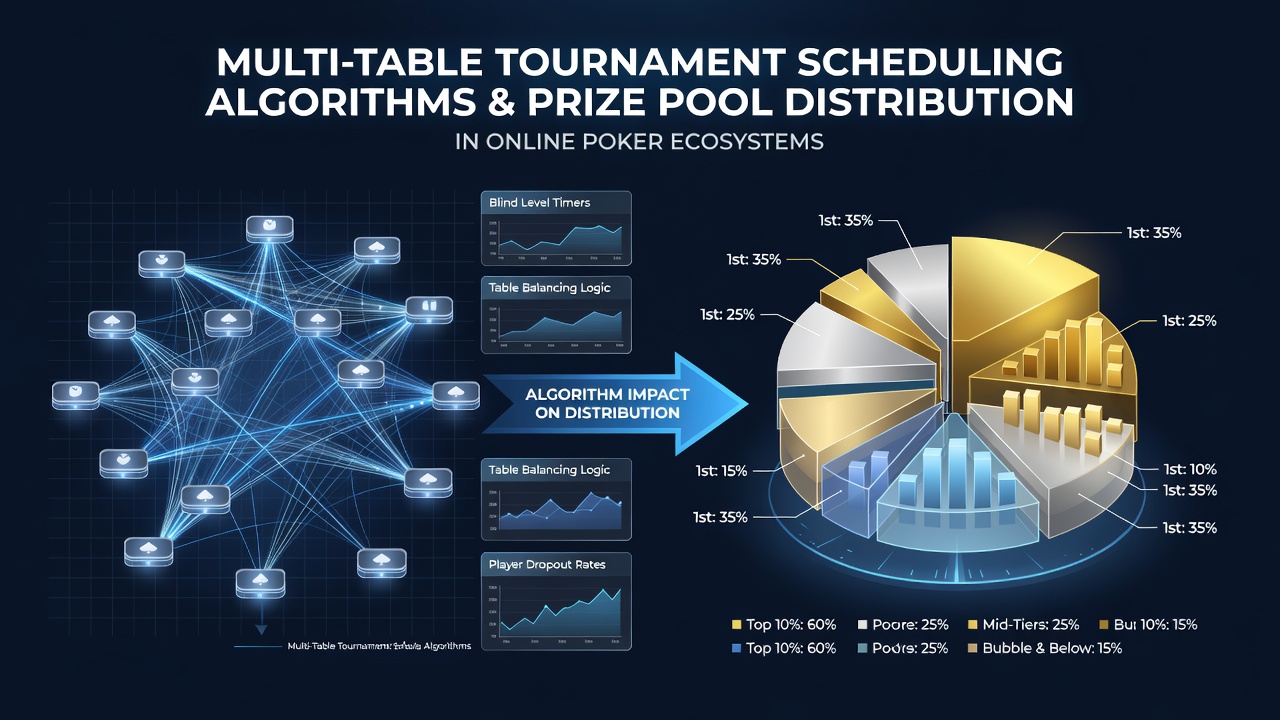
How Multi-Table Tournament Scheduling Algorithms Affect Prize Pool Distribution in Online Poker Ecosystems
Multi-table tournament scheduling algorithms determine when events launch, how they overlap, and what guarantees operators attach to each field, which in turn shapes the total prize money that reaches players. These systems track real-time registration rates, historical player traffic patterns, and server capacity limits to decide start times and table allocations. Data from major networks shows that staggered starts during peak evening hours in Europe and North America often produce larger average fields than isolated morning events, because overlapping schedules allow players to register for multiple tournaments without long waits between rounds.
Core Mechanics of Scheduling Algorithms
Operators program algorithms to balance table availability against expected player volume, using variables such as time-zone distribution, past entry trends, and current overlay risk. When an algorithm detects rising registrations for a mid-stakes event, it may delay a later high-stakes tournament by fifteen or thirty minutes to prevent registration dilution across both fields. Research from gaming analytics firms indicates that this adjustment method keeps total prize pools closer to advertised guarantees while reducing the frequency of operator-funded overlays that shrink net distributions to winners.
Another layer involves dynamic guarantee scaling. Platforms monitor cumulative buy-ins every five minutes and adjust minimum prize pools upward if thresholds are met early, a process that directly increases the money paid out at final tables. Observers note that such scaling occurs more often in November because holiday traffic spikes allow algorithms to predict higher participation days in advance.
Effects on Prize Pool Size and Structure
Scheduling density influences both the absolute size of prize pools and the percentage of the pool allocated to top places. Tighter schedules that create larger combined fields tend to flatten payout structures slightly because more players reach the money, yet the top-heavy portion still grows when overall entries exceed projections. Figures from network-wide reports reveal that events spaced at least ninety minutes apart generate 12 to 18 percent larger top-three payouts on average than events launched within thirty minutes of each other, since player bankrolls spread across fewer simultaneous buy-ins.
Regional Traffic Patterns and November 2026 Adjustments
In regions with strict licensing, such as those overseen by the New Jersey Division of Gaming Enforcement, algorithms must also respect daily session limits and responsible gaming flags that can pause new registrations mid-tournament. These constraints sometimes force platforms to consolidate smaller fields into single larger events, concentrating prize money into fewer but deeper payout structures. Australian regulatory summaries similarly document how cross-time-zone scheduling between Asia-Pacific and European markets affects overlay frequency during shoulder hours.
November 2026 brings additional calendar complexity because multiple major circuits schedule simultaneous festival weeks. Algorithms at several networks are already calibrated to detect this overlap and shift guarantee-heavy events away from direct competition, preserving player volume for each individual pool. Industry data collected across the prior two Novembers shows that such preemptive spacing reduces the number of events that finish below guarantee by roughly one quarter.
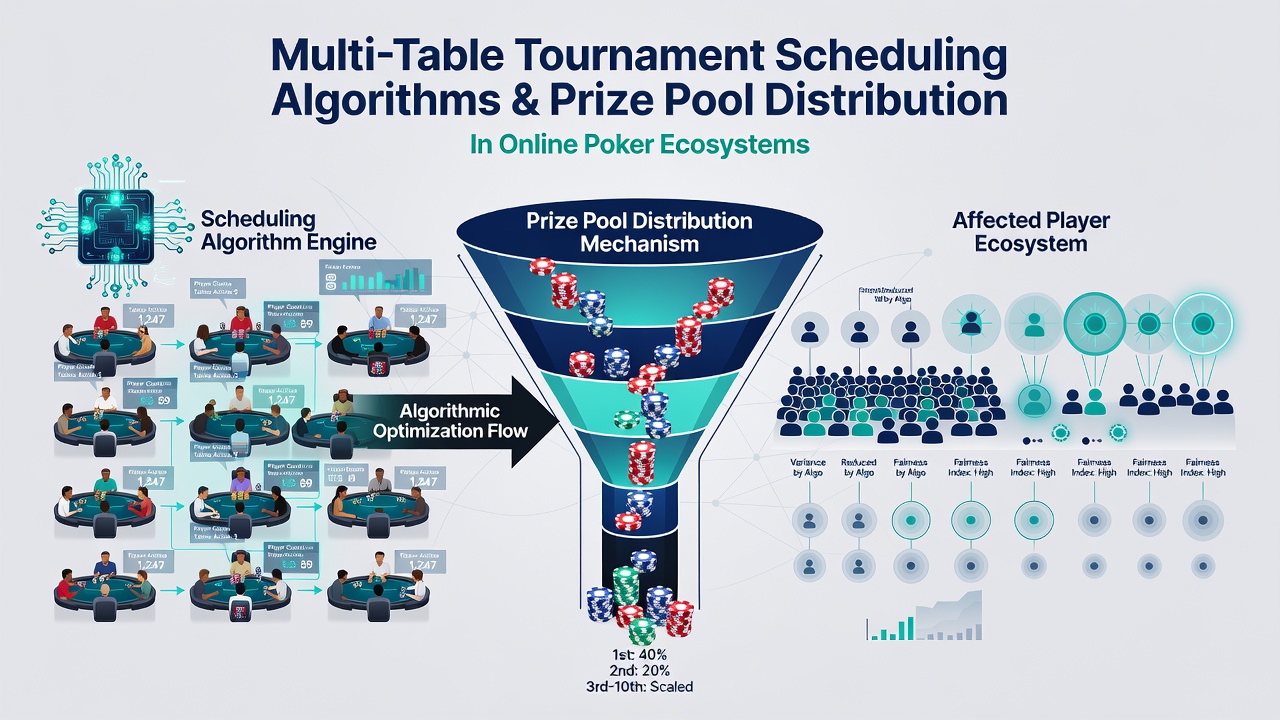
Player Behavior and Algorithm Feedback Loops
Players respond to predictable scheduling by registering early or multi-tabling, behaviors that the algorithms then incorporate into future predictions. When large numbers of users adopt the same early-registration tactic, fields fill faster and prize pools lock in guarantees sooner, reducing variance for the operator. Conversely, when an algorithm spaces events too far apart, late registrations drop and some pools finish with small overlays that operators absorb rather than pass on to players.
One documented pattern involves satellite feeders. Algorithms that schedule satellites to conclude thirty minutes before main-event starts convert more satellite tickets into direct entries, boosting the main prize pool without additional marketing spend. Network telemetry collected in 2025 demonstrated that this timing window increased satellite-to-main conversion rates by 9 percent compared with sixty-minute gaps.
Technical Constraints and Future Calibration
Server load balancing imposes hard limits on simultaneous tables, so algorithms must sometimes throttle new registrations or merge waiting lists. These technical ceilings can cap prize pool growth even when player interest remains high. Academic examinations of distributed gaming systems, including work published through the University of Alberta's poker research group, illustrate how constraint-satisfaction models used by operators prioritize table availability over maximum field size during peak load periods.
Looking ahead, machine-learning updates scheduled for late 2026 aim to incorporate live traffic from competing networks, allowing more precise avoidance of direct head-to-head launches. Such refinements could further stabilize prize pool distributions by minimizing cannibalization between similar buy-in events running at the same time.
Conclusion
Multi-table tournament scheduling algorithms serve as the primary control mechanism for prize pool formation in online poker by managing start times, overlaps, guarantees, and registration pacing. Their decisions determine both the total money distributed and the shape of payout curves across thousands of events each month. Continued refinement of these systems, especially around high-traffic periods such as November 2026, will continue to influence how prize pools accumulate and reach players in networked poker environments.