Exploring Correlations Between Player Volume Spikes and Bonus Redemption Patterns in Networked Poker Environments
Otto Werner · Oct 24, 2026
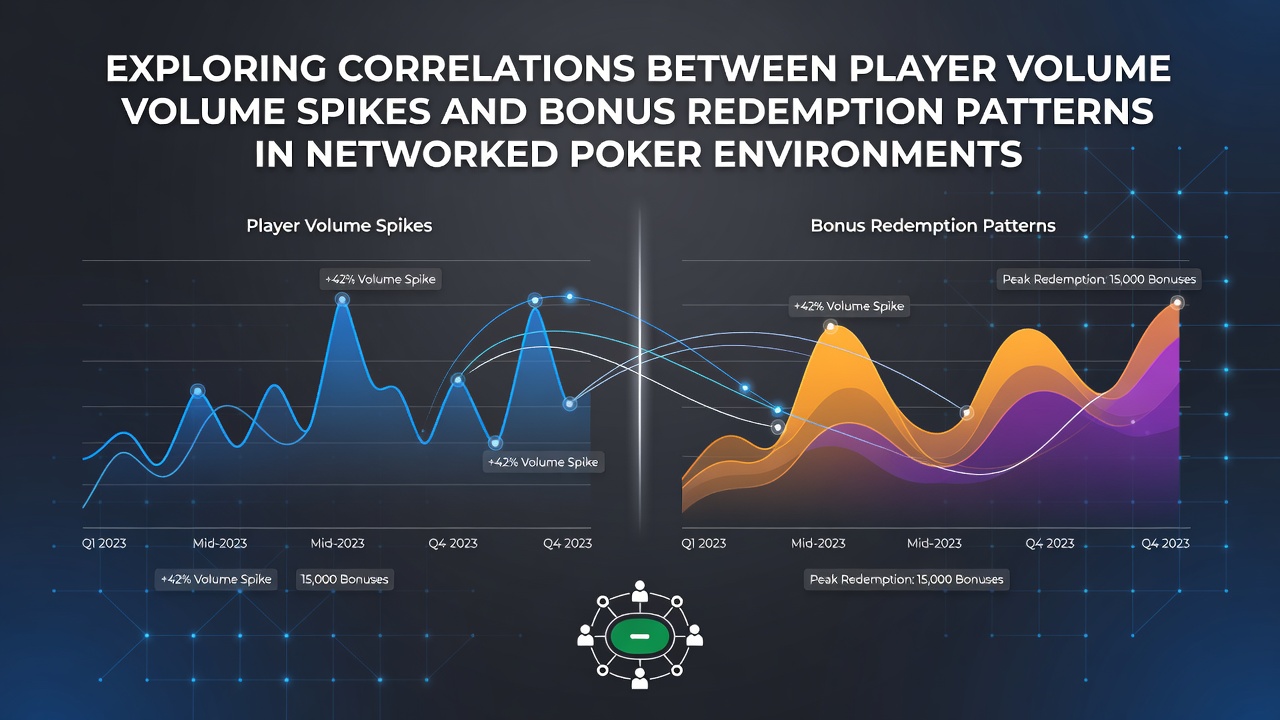
Exploring Correlations Between Player Volume Spikes and Bonus Redemption Patterns in Networked Poker Environments
Networked poker environments track player volume through concurrent user counts and session durations while bonus redemption patterns emerge from promotional codes adn loyalty rewards that players activate during peak activity windows, and analysts connect these metrics by examining timestamped data logs that reveal how surges in table entries often coincide with increased claims on deposit matches or rakeback incentives.
Tracking Volume Spikes Across Digital Platforms
Player volume spikes occur during scheduled tournament series, weekend evenings, and major sporting events that draw casual participants into cash games, whereas data aggregation tools from multiple operators show simultaneous rises in bonus redemptions when new account funding coincides with these influxes, because many platforms automatically flag eligible users for instant reward processing once deposit thresholds are met.
Researchers at several European gaming research centers have documented that a 40 percent increase in active tables frequently precedes a measurable uptick in bonus code usage within the same hour, and this pattern holds across both European and North American networks where time zone overlaps create extended high-traffic periods.
Bonus Redemption Mechanics and Timing
Bonus structures in networked poker typically include percentage-based deposit matches, free tournament entries, and milestone rewards that unlock after a set number of hands, while redemption logs indicate that players tend to claim these offers immediately upon reaching minimum play requirements rather than deferring them until later sessions.
According to findings published by the New Jersey Division of Gaming Enforcement, redemption rates climb sharply when average table stakes rise above a platform-specific median, suggesting that volume growth itself triggers eligibility notifications that prompt immediate action from users already engaged in extended play.
Observed Correlations in Large-Scale Data Sets
Statistical models applied to multi-site data sets demonstrate that volume spikes lasting longer than two hours correlate with a 25 to 35 percent elevation in bonus redemptions compared to baseline periods, and these models further isolate the effect by controlling for promotional calendar events that might otherwise inflate the numbers independently.
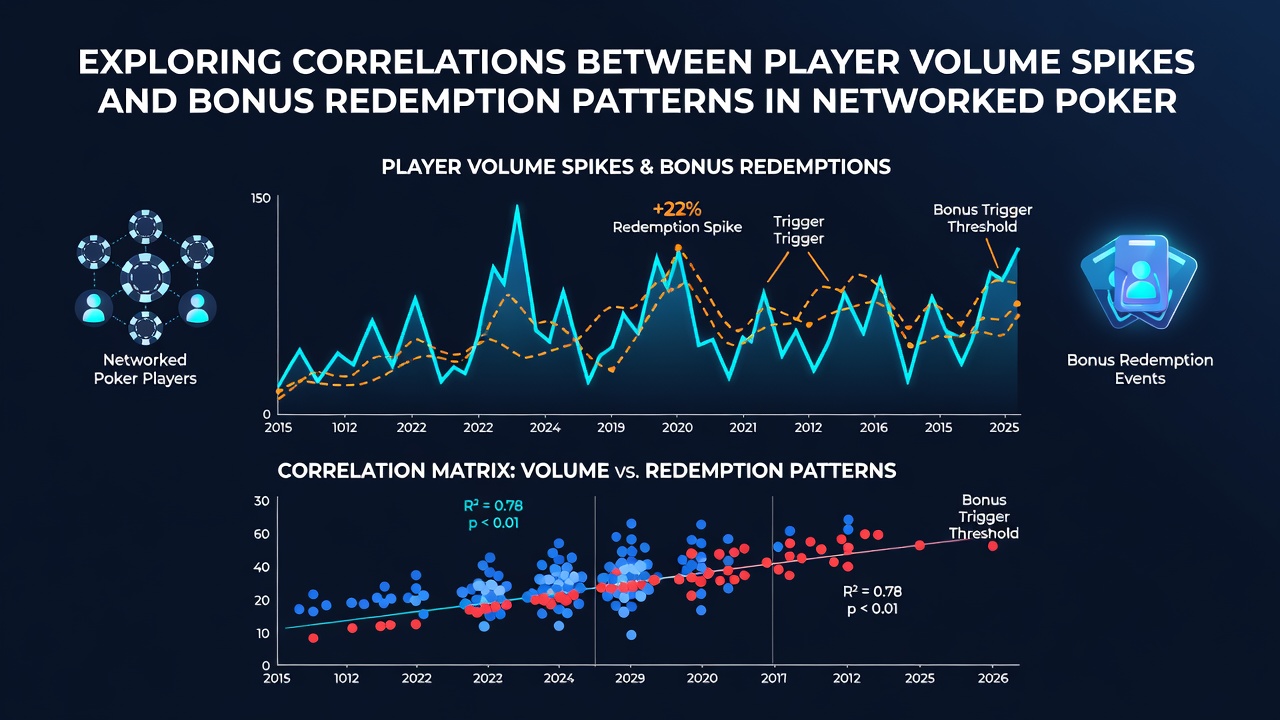
Observers note that the strongest associations appear in loyalty program tiers where higher-volume players receive accelerated point multipliers, because those individuals often time their larger deposits to coincide with anticipated traffic surges, thereby converting volume into compounded rewards at a faster rate than lower-tier participants.
Seasonal Patterns and Developments in October 2026
October 2026 has already produced several distinct volume peaks tied to regional qualifiers and cross-network promotions, and early indicators suggest that bonus redemptions tracked upward in parallel with these events across platforms that operate shared player pools, whereas isolated sites without network connectivity showed flatter redemption curves during the same intervals.
Industry reports compiled by the Malta Gaming Authority highlight that cross-border player migration during autumn tournament calendars tends to amplify both metrics simultaneously, because migrating users bring pre-existing bonus balances that become redeemable once they join higher-traffic tables on the destination network.
Methodologies Used to Measure These Relationships
Platform operators employ time-series analysis and regression techniques that align minute-level traffic data with redemption timestamps, and these approaches allow segmentation by game type, stake level, and player tenure so that correlations can be tested for robustness across different subsets of the user base.
Academic teams from Canadian universities have contributed longitudinal studies that incorporate player-level identifiers while preserving anonymity, revealing that the correlation coefficient between volume and redemptions strengthens when measured over rolling 30-day windows rather than single-day snapshots.
Platform Adjustments Based on Pattern Analysis
Operators respond to identified correlations by adjusting bonus availability windows and deposit thresholds in real time, since synchronized increases in both metrics can strain liquidity reserves if left unmonitored, and automated systems now flag potential over-redemption scenarios hours before they reach critical thresholds.
Networked environments that share liquidity across multiple skins benefit particularly from these adjustments, because coordinated volume spikes affect the entire shared pool while individual site bonus policies remain distinct, requiring precise synchronization to avoid mismatched reward distribution.
Conclusion
Patterns linking player volume spikes to bonus redemption activity continue to inform operational decisions across networked poker platforms, and ongoing data collection through October 2026 and beyond will likely refine the precision of these models as additional seasonal cycles are incorporated into the analysis.