Decoding How Software Update Cycles Reshape Table Availability Patterns Across Networked Card Platforms
Otto Werner · Nov 7, 2026
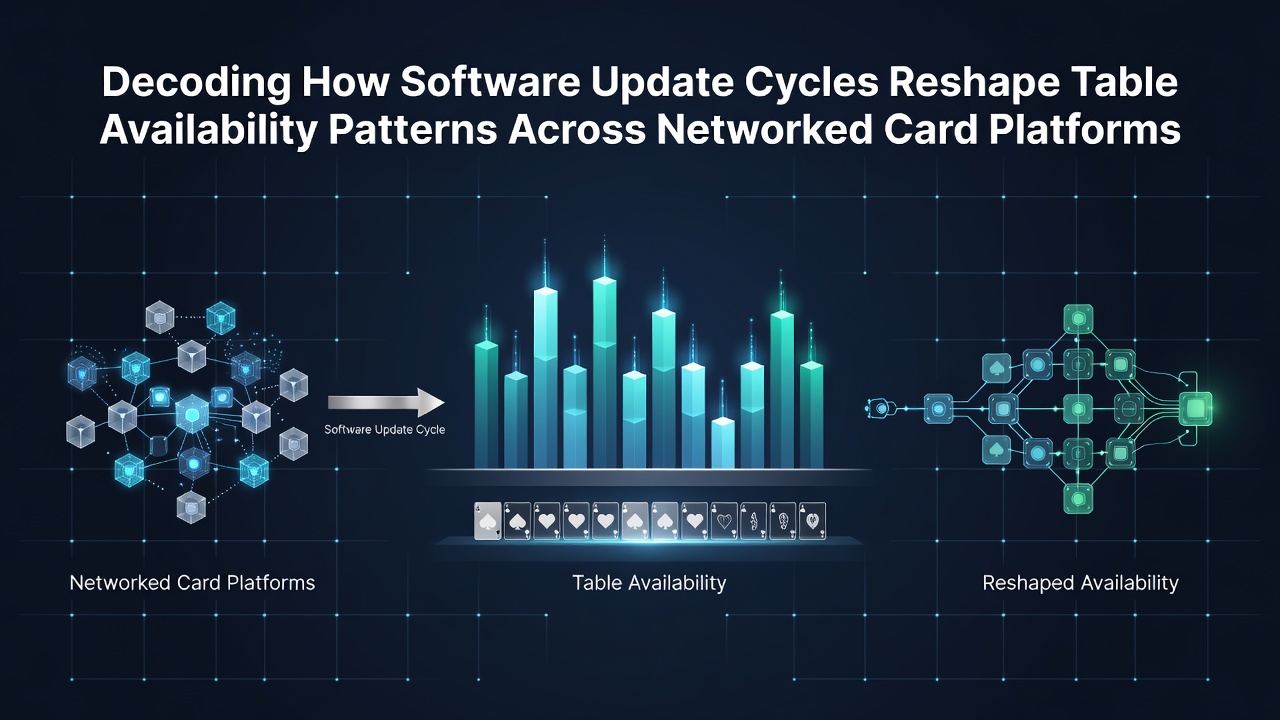
Decoding How Software Update Cycles Reshape Table Availability Patterns Across Networked Card Platforms
Software update cycles on networked card platforms follow predictable rhythms that directly influence when tables open or close to players, and observers note these patterns emerge from scheduled maintenance windows combined with emergency patches for security or compliance reasons. Data from platform operators shows that quarterly updates typically span four to six hours during low-traffic periods, yet these windows shift table availability by reducing active tables anywhere from fifteen to forty percent depending on the scale of changes deployed. Researchers tracking multiple networks across regions have documented how version rollouts create ripple effects, with some tables remaining offline longer when compatibility testing reveals integration issues between backend servers and client applications.
Mechanics of Update Deployment and Table Status Changes
Platform engineers coordinate updates through staged releases that begin with internal testing environments before moving to limited user groups, and this process means certain tables enter maintenance mode while others stay live for unaffected game variants. According to reports from the Alcohol and Gaming Commission of Ontario, regulated operators must complete compliance checks during each cycle, which extends downtime when regulators require additional verification of random number generators or payout algorithms. Those who monitor traffic logs find that availability dips occur most sharply in the first two hours after an update launches, after which operators gradually bring tables back online as monitoring confirms stability across regions.
Emergency patches, by contrast, follow compressed timelines that can last under ninety minutes yet still force temporary closures of high-stakes tables where real-time integrity checks take priority. Studies from the University of Queensland Centre for Gambling Research indicate that update frequency has risen steadily since 2022, driven by evolving regulatory standards in multiple jurisdictions, and this trend correlates with measurable shifts in when players find tables available during peak evening hours in their local time zones.
Observed Patterns in Table Availability Across Networks
Analysis of aggregated platform data reveals recurring availability cycles that align with major update seasons, particularly around November when many networks schedule year-end feature enhancements ahead of holiday traffic surges. In November 2026, several major platforms plan coordinated updates that will affect cross-border player pools simultaneously, creating synchronized availability drops documented in prior years. Tables offering specific variants such as Texas Hold'em or Omaha often experience staggered reopenings, with some formats prioritized based on player volume metrics collected during pre-update audits.
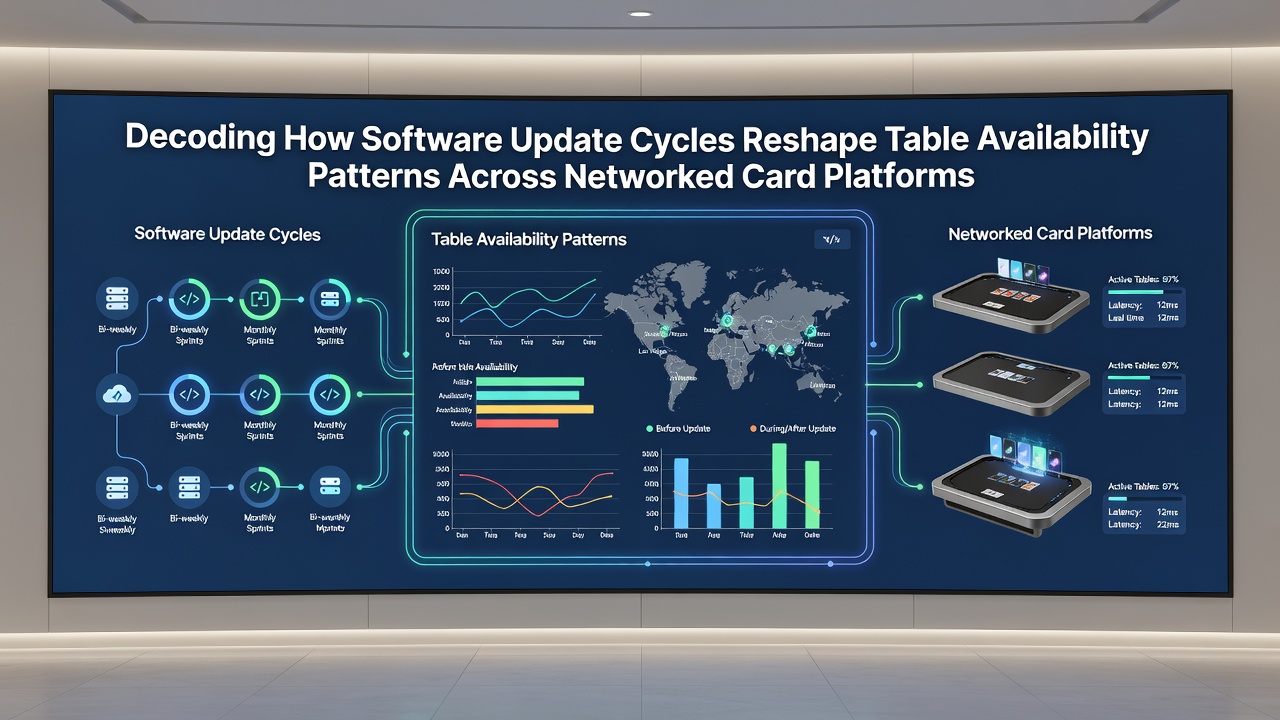
Operators use load-balancing algorithms to redistribute players from closed tables to active ones, yet this redistribution creates temporary overcrowding on remaining tables and alters average wait times for seat assignment. Evidence from network telemetry shows that availability recovers to baseline levels within twenty-four hours in most cases, although complex updates involving new game mechanics can extend this window by an additional day when post-launch adjustments become necessary. Those tracking these metrics across platforms note that regional differences appear, with European operators often completing cycles faster due to standardized testing protocols shared among members of the European Gaming and Betting Association.
Player Behavior Adjustments During Availability Shifts
Players respond to reduced table counts by migrating toward networks that completed their updates earlier, and traffic data indicates measurable volume increases on unaffected platforms during the hours immediately following a competitor's maintenance window. This migration follows established patterns where recreational users seek immediate play while professionals delay sessions until full availability returns. Platform analytics reveal that bonus redemption rates sometimes climb during these periods as operators attempt to retain users amid temporary table shortages.
Longer update cycles also prompt shifts in preferred game formats, with simpler variants reopening first and drawing disproportionate traffic until more complex tables return. Observers tracking these movements across multiple networks report that communication from operators through in-app notifications helps mitigate frustration, although the underlying availability constraints remain tied to the technical requirements of each software cycle.
Conclusion
Software update cycles continue to dictate table availability patterns through structured maintenance and compliance requirements that affect networked card platforms worldwide. Data collected from operators and regulatory bodies demonstrates consistent rhythms in downtime and recovery, with November 2026 positioned to feature another round of synchronized releases. Those monitoring these systems can anticipate availability fluctuations based on historical deployment timelines and regional regulatory demands, allowing clearer expectations around when tables will return to full operation.